
The hybrid dictatorship of the wealthy: How did 8 billion people lose out to 3,000 billionaires?
Terminology
In today’s world, the term ‘hybrid dictatorship of the wealthy’ does not exist at an official level; as the author of this article, I shall explain what this term means. The modern architecture of governance has undergone a transformation, evolving into what I define here as a hybrid dictatorship of the wealthy (that is, the ultra-wealthy strata of the population/the upper class). This system is characterised not by the formal abolition of democratic institutions, but by their profound internal transformation, whereby the real levers of power shift from the electorate to a narrow circle of billionaires, millionaires and other wealthy individuals. Unlike the classical autocracies of the past, this dictatorship operates through complex mechanisms of financial domination, technological control and media manipulation, which allow it to maintain a façade of legitimacy whilst simultaneously promoting the interests of an ultra-narrow elite that is becoming increasingly detached from the needs of the majority of humanity. This is precisely what distinguishes the ‘hybrid dictatorship of the wealthy’ from plutocracy, in which power belongs to the wealthiest members of the class; the ‘hybrid dictatorship of the wealthy’ is, in fact, a hybrid form of dictatorship, since the wealthy do not actually hold positions of power, yet they exercise control over state systems and the world in a hybrid manner, similar to the conduct of hybrid warfare.
Plutocracy itself—the issues of which we shall address in this article—is a system in which political power belongs to or is determined by the wealthiest members of society (from the Greek roots ploutos, meaning ‘wealth’, and kratos, meaning ‘power’). This usually manifests itself in the formation of a government by a group of people on the basis of their wealth, and their ability to influence the authorities is entrenched. Under plutocracy, wealth becomes the de facto ticket to the political arena; that is, without significant funds, candidates have little chance, or none at all. Plutocracy is often accompanied by deep economic inequality, and influence over the government is sometimes exercised by informal groups, foundations, lobbyists and companies. Plutocracy is also frequently accompanied by kleptocracy.
“The body” and the essence of the problem
In 2025, the wealth of billionaires rose by 16% to $18.3 trillion. Oxfam, an international organisation dedicated to tackling poverty and related social injustice, describes the situation as follows:
Oxfam estimates that billionaires are 4,000 times more likely to hold political office than ordinary citizens. A World Values Survey of 66 countries found that almost half of all people polled say that the rich often buy elections in their country.
By 2025, the combined wealth of billionaires had reached an all-time high of $18.3 trillion (according to other estimates, up to $25.4 trillion), showing a 16% increase in the last year alone. This growth occurred three times faster than the average over the past five years, indicating an acceleration in the process of global oligarchisation. Particularly since 2020, there has been an unprecedented concentration of capital, which has transformed wealth into a direct instrument of political influence. Billionaires no longer simply influence politics from the outside through lobbying; they are becoming states in their own right, buying media platforms, space technologies and even judicial immunity.
The 12 richest people alone possess more wealth than half of humanity, and the combined increase in billionaires’ wealth last year could have eliminated extreme poverty 26 times over. At the same time, inequality is on the rise: studies (such as ‘Does wealth inequality matter for growth? The effect of billionaire wealth, income distribution, and poverty’ by Sutirta Bagchi and Jan Sveinarr) show that the concentration of wealth at the top acts as a barrier to economic growth, but this effect is mainly driven by politically connected wealthy individuals. The rise of billionaires has coincided with policies favouring them: tax breaks for corporations, relaxed controls on the concentration of ownership, lobbying by the technology sector, and so on.
An analysis of “Testing Theories of American Politics: Elites, Interest Groups, and Average Citizens” by Martin Gilens, Professor of Political Science at Princeton University, and Benjamin I. Page, Professor of Decision Theory at Northwestern University, offers the following assessment:
The central point that emerges from our research is that economic elites and organized groups representing business interests have substantial independent impacts on U.S. government policy, while mass-based interest groups and average citizens have little or no independent influence.
The wealthy and large corporations lobby for decisions that benefit them (tax breaks, regulatory conditions, etc.) in exchange for political donations and support. The article “The Science of Power: Billionaires, Elites, and Social Mobility” by Richard W. Reeves, a non-resident senior fellow in the Governance Studies Programme and a senior fellow in the Economic Studies Programme at the Brookings Institution (information about him taken from here), offers the following assessment:
For one thing, “billionaire activism”’ can distort the political process. You might want sharp cuts in taxes or welfare; you might want to legalize same-sex marriage. Either way, you probably don’t want these decisions being so heavily influenced by huge infusions of cash from a handful of individuals.
According to Oxfam’s 2024–2025 report, the wealth of billionaires has risen by 81% since 2020, whilst the economic situation of nearly half the world’s population has stagnated or deteriorated. This increase is not a random consequence of market forces; it is the result of deliberate policy choices, including tax cuts for the super-rich, the weakening of antitrust legislation, and direct state support for sectors dominated by big capital, such as artificial intelligence and cloud technologies.
As of January 2026, according to Visual Capitalist, the top 20 billionaires control more wealth than France’s GDP. Among them are Trumpist Elon Musk ($714.2B) (mentioned in the Epstein files as someone interested in his services), Larry Page ($257.7B) (co-founder of Google), Trumpist Jeff Bezos ($251.4B) (founder, executive chairman, and former president and CEO of Amazon) (mentioned in the Epstein files; it is also noted that his company systematically violates workers’ rights), Trumpist Larry Ellison ($242.6B) (founder and chairman of Oracle), Sergey Brin ($237.8B) (developer of the search engine and co-founder of Google).
According to the Washington Post, the top 20 US billionaires spent nearly $5 billion on elections between 2015 and 2024, with a clear party divide: many billionaires support the Republicans (Miriam Adelson, Kenneth Griffin). Elon Musk spent nearly $300 million supporting Trump in 2024 (incidentally, with that money, one could have saved approximately 300,000 lives by spending it on the fight against malaria, cured 100,000 people of pneumonia or diarrhoea, carried out 3 billion deworming treatments, or administered tens of thousands of vaccinations). The sheer number of wealthy individuals in politics is already leading to government policies that favour the rich, such as tax cuts.
In recent years, global geopolitics has increasingly been characterised by a confrontation between states and oligarchs, yet it is plutocracy that remains a significant factor in global instability, as defined by Nikhil Kalyanpur in his article “Twilight of the Oligarchs”.
The political deficit resulting from such concentration creates the conditions for what is known as ‘wealthification’. All of this transforms the democratic process into an ‘oligarchic auction’, where the results of votes are determined by the scale of campaign funding.
The influence of the wealthy is compounded by the ‘fortune-building’ effect: the wealthy can invest in their own security and hidden wealth. In the US, for example, 800 billionaires will own over $6.2 trillion by the end of 2024. A third of their wealth comes from monopolies, inheritance or privileges. Such resources enable them to avoid taxation and shift financial risks onto the wider population.
According to Forbes (as of 1 March 2026), there are a record 3,428 billionaires worldwide, with a combined wealth of $20.1 trillion (an increase of $4 trillion over the past year). The top 10 is dominated by tech giants: Elon Musk ($839 billion, Tesla/SpaceX), Larry Page and Sergey Brin (Google/Alphabet), Jeff Bezos (Amazon), Mark Zuckerberg (Meta). Seven of the top 10 are tech executives.
According to estimates by international organisations and think tanks, the wealth of billionaires grew faster than the incomes of the general public in 2024–2025; Oxfam and similar organisations have documented significant capital gains among the wealthiest. This creates a material basis for political and economic influence. Investigations (including the Panama Papers) have revealed how wealthy individuals use offshore accounts to conceal assets and evade taxes; this erodes states’ tax bases and exacerbates inequality.
As a result -
Total wealth of billionaires: $18.3–$25.4 trillion. This is the highest level in history.
Billionaires’ share of global GDP: 14.1%. This has risen from 2.5% since 1990.
The number of billionaires exceeds 3,000. This figure was surpassed for the first time in 2025.
Gini coefficient (global income): 0.61. This is an extremely high level.

The influence of billionaires over politics and the media
The process of power concentration is also being exacerbated by media expansion. Billionaires own more than half of the world’s largest media companies and all the major social media platforms. Examples such as Jeff Bezos’s acquisition of the Washington Post, Elon Musk’s purchase of the X platform (Twitter) and Patrick Soon-Shiong’s takeover of the Los Angeles Times demonstrate a strategy to take control of the ‘public arena’. This allows the super-rich to shape narratives that protect their wealth from taxation and discredit any attempts at social reform.
Billionaires own more than half of the world’s most influential media companies and virtually all the major social media platforms. For example, Elon Musk (Twitter/X) and Jeff Bezos (The Washington Post) have acquired major media outlets. On the other hand, in France, multimillionaire Vincent Bolloré (an ally of the Russophiles Marine Le Pen (National Rally party) and Nicolas Sarkozy (The Republicans party)) has turned the CNews television channel into the Parisian equivalent of Trumpist Fox News.
The acquisition of media outlets by influential figures and the sponsorship of election campaigns create political barriers: candidates without substantial financial backing have virtually no chance in major elections. For example, in the US, members of Congress have effectively monitored instances of ‘vote buying’ by major donors, and the presumed role of money is a clear problem and a threat to pluralism.
The PBS report notes that the 100 richest Americans spent over $1 billion on the election, but the courts often limit their liability.
Research shows that social media owners can indeed influence users’ views: after Elon Musk bought Twitter in 2022, regular users of the service became somewhat more conservative and far-right, and noticeable changes began regarding racial issues and economic justice, likely due to changes in algorithms and the removal of labels for state media.
According to inequality expert Chuck Collins, speaking to The Guardian:
The wealthy have bought their jets, they’ve bought their multiple houses and mansions, but now they’re buying senators and media outlets.
This shift affected users across the political spectrum, and overall support for any particular party changed only marginally, even though Musk tried to promote Trumpist ideas. Content on ‘X’ (formerly Twitter) has become more toxic – for example, the prevalence of hate speech there has risen by 50%.
At the same time, research confirms that Chinese and Russian platforms are actively used by the authorities to promote the state narrative.
For example, an analysis of video content on Douyin (the Chinese equivalent of TikTok, developed by ByteDance) revealed over 18,000 government accounts that had posted 5 million videos in a year (mainly from local police and state media). The concept of mass decentralised propaganda has secured them over half a million likes and shares. On the global stage, TikTok (ByteDance) has also been embroiled in scandals: the presence on the platform of Chinese state media and staged accounts, potentially linked to Beijing, has been noted.
Furthermore, the ban on TikTok – which was already being discussed during Trump’s first term – was intended not only to ensure data security but also to curb foreign interference; however, within the US, similar measures against Facebook or X could spark controversy regarding freedom of speech.
ByteDance (TikTok) influences and ‘brainwashes’ the global community in favour of PRC. VK and Yandex do so in favour of Russia. xAI (X, formerly Twitter) influences US elections in favour of Trumpists.
Social media, controlled by a hybrid dictatorship of the wealthy, is being used to divert attention and foster ADHD in teenagers. They force people to pay less attention to political processes, yet Generation Z is the most engaged, partizan and the most apolitical. They deliberately misinform an entire generation via social media, and are attempting to influence the outlook on life even among Generation Alpha.
Social media is used by the wealthy as a tool for propaganda or to exert influence over governments and other individuals. Contemporary analysts argue that users’ attention has become a key resource for the platform economy — and this is giving rise to new socio-economic challenges and forms of influence.
Surveillance capitalism is a concept introduced by Harvard sociologist Shoshana Zuboff to describe the contemporary logic of capitalist accumulation, which is based not on goods or services, but on the collection, analysis and monetisation of data on human behaviour; She clearly outlined it in her book “The Age of Surveillance Capitalism: The Fight for a Human Future at the New Frontier of Power”. Surveillance capitalism is a concept in political economy that refers to the widespread collection and commercialisation of personal data by corporations for profit; it can have significant implications for democracy, privacy and societal control. Data on user behaviour is turned into a commodity for sale and targeted advertising. This data is used for profiling and predicting future behaviour. Algorithms determine exactly what the user sees in order to maximise time spent on the platform. This creates an attention economy, where human attention is what companies sell to advertisers. This is part of a broader model of late capitalism, but with a specific focus on digital platforms and data. Surveillance capitalism is a real, academically grounded concept describing how digital platforms and large tech corporations can function as an ‘economic system of control’ through data collection, behaviour prediction and algorithmic content promotion.
Algorithms encourage certain behavioural patterns — short, fast-paced, emotional content attracts more attention and keeps users engaged for longer. This can affect concentration and the ways in which information is consumed. The attention economy encourages repetitive engagement, which can create a dependency on short videos, feeds and snippets of information — and this has behavioural consequences. Researchers are closely examining how platforms may, intentionally or unintentionally, influence the psychological processes and self-esteem of users, particularly young people.
Springer Nature has published an analysis of how ‘surveillance capitalism’ and computational propaganda pose threats to democracy and political equality. This research shows that algorithmic systems can amplify certain political messages, contribute to polarisation and influence access to information.
Research in cognitive science and political economy shows that platforms optimise users’ attention by using algorithms and AI to maximise engagement time, amplify emotional content and shape behavioural habits. This is known as the attention economy — and it is a feature of late digital capitalism.
There are academic studies on how excessive content consumption and algorithmic systems can affect users’ attention, emotional state and cognitive tendencies. This is linked to the way platforms are structured economically, rather than any intention to manipulate young people. There is also evidence of potential psychological risks (such as depression and addiction in adolescents) due to excessive use of social media.
Algorithmic systems influence people’s feelings, behaviour and thoughts, which could potentially threaten human autonomy. Technologies that mimic human emotions (chatbots, voice assistants, etc.) can reinforce the logic of surveillance capitalism and alter users’ cognitive structures.
There are academic and professional studies on the psychological effects of excessive social media use, particularly in relation to concentration, emotional state and self-esteem; these effects are viewed as the psychosocial consequences of algorithmic design, rather than as a deliberately targeted programme.
Journalistic and academic sources suggest that attention-optimising algorithms may encourage the constant consumption of emotional content, reinforce a tendency to seek out content that confirms existing views, and limit one’s worldview and critical thinking.
The impunity of the rich
When the wealth of individuals exceeds the GDP of entire countries (as in the case of Elon Musk, whose fortune of $502 billion exceeds the GDP of 117 nations), justice ceases to apply universally. Donald Trump has faced numerous legal cases, including charges of fraud and sexual offences, but has avoided many consequences thanks to appeals. Elon Musk has faced lawsuits regarding discrimination and safety at Tesla, but continues to operate. In 2026, Les Wexner testified before Congress regarding Epstein, yet no evidence of his involvement in the crimes was found.
Epstein’s files revealed links to billionaires (Bill Gates, Reid Hoffman), but many of them deny any involvement in Epstein’s crimes, and there have been almost no consequences for them; for example, Kathryn Ruemmler simply left Goldman Sachs, but others, such as Musk, have escaped any punishment.
The release of the updated Jeffrey Epstein files in 2026 served as yet another confirmation of the existence of a parallel legal reality for the elite. These documents, totalling over 3 million pages, exposed a vast network of sexual exploitation and human trafficking involving leading figures from the global establishment. The files mention the names of Donald Trump, Bill Gates, Elon Musk, members of the British royal family and high-ranking financiers. A distinctive feature of this network was that it used philanthropy as a ‘ticket’ into the circle of the untouchables. Epstein created the appearance of supporting science and culture through his foundation (the Jeffrey Epstein VI Foundation) in order to buy himself a place in the ‘collective mind of the elite’ and gain moral exemption from the general rules.
The mechanism of ‘bifurcated morality’ allows the wealthy to publicly preach virtues and ‘political correctness’, whilst simultaneously creating private spaces where these norms are suspended, as outlined in the article ‘Epstein/Sade: The Philanthropist as Libertine and the Secret Life of the American Elite’. The sense of exemption from common rules becomes the ultimate status symbol. Even when evidence becomes public, the hybrid dictatorship uses its influence over the Department of Justice (as in the case of the Trump administration, which delayed the investigation into the Epstein case) or enters into confidential settlement agreements that effectively buy the silence of the law.
Some of the most striking examples of impunity among the wealthy:
Despite protest slogans such as ‘Koch Brothers = crimes against humanity’, wealthy figures rarely face any real sanctions. Statistics show that in countries with concentrated wealth, the poor are far more likely to end up behind bars than the rich. For example, in the US, 86% of those convicted of various crimes earned less than $15,000 a year before going to prison, and only 0.4% of their families were able to pay their employees a decent wage.
At the same time, the heads of major financial institutions face almost no punishment: during the 2008 financial crisis, out of nearly a dozen banks fined for fraud, only one senior manager was convicted and served a mere 30 months in prison. The poor are punished more frequently and more severely than the rich.
The Epstein Files (2025–2026 releases) mention Musk, Trump and other billionaires/politicians (emails, contacts). None of them have been charged with any crimes based on these documents. Musk has publicly accused Trump of being involved in the sealed files. The wealthy often avoid severe consequences thanks to lawyers, settlements and political influence.
Violations of workers’ rights, the discrediting of trade unions and social democracy, and the exploitation of the working class
One of the most destructive forms of hybrid dictatorship is the transition to a system of ‘techno-feudalism’, where profit is replaced by rent (income derived not from the creation of a good or service, but from control over access to something). According to Yanis Varoufakis’s concept, we no longer live under classical capitalism; instead, large tech companies have created ‘cloud fiefs’, where they act as digital lords. Amazon, Google and Meta control not just markets, but the very infrastructure of human interaction, collecting ‘cloud rent’ from every transaction.
The 12 richest billionaires own more than the poorest half of humanity. Billionaires contribute to this through monopolies (18% of their wealth comes from monopolistic sources) and by lobbying against wage increases. According to Oxfam, 60% of wealth is inherited or the result of cronyism. Since 2020, the top 1% have ‘captured’ twice as much wealth as the rest of the world.
Gen Z faces low wages and the experience paradox (they aren’t hired even with a degree because employers demand experience, but there’s nowhere to gain that experience since no one will hire them). Young people with qualifications cannot find work in their chosen field because employers demand 2–3 years’ experience even for the most basic roles, yet there is nowhere to gain this experience, as entry-level vacancies are being phased out or automated by artificial intelligence. This forces Zoomers to accept hard, low-paid and precarious work in the service or logistics sectors, which often does not match their ambitions or level of training. Only 45 per cent of Gen Zers currently have traditional full-time employment.
Job vacancies for entry-level positions fell by 29% in 2026. In the US (and elsewhere), the minimum age for certain types of manual labour has been lowered to 16. The wealthy influence the labour market indirectly through the gig economy. According to estimates by the International Labour Organisation, around 20% of young people (aged 15–24) worldwide in 2023 were NEETs (not in education, employment or training). Young people feel disillusioned by the inability to secure stable employment or achieve their housing goals. Indeed, Generation Z’s wages are often lower than those of millennials at the same age, whilst housing prices have risen more than twice as fast as incomes since the early 2000s. Furthermore, a significant proportion of jobs (in manufacturing, agriculture and construction) remain low-paid and physically demanding – in remote markets, formal employment is even permitted from the age of 15 (although the ILO prohibits hazardous work until the age of 18).
At the same time, there is a worrying trend in the United States and other countries towards lowering the legal age limit for hazardous work. Between 2023 and 2025, more than 28 US states considered or passed laws weakening protections for child workers. Billionaires, through lobbying groups such as the Foundation for Government Accountability, are pushing for these changes to provide businesses with the cheapest and least protected workforce.
In the US, for example, policies of the second half of the 20th century (such as the amendments to the Taft-Hartley Act of 1947) significantly weakened workers’ rights. As the EPI (Economic Policy Institute) points out, since the 1970s employers have taken massive advantage of the ‘weakening’ of legislation: the suppression of attempts at unionisation has increased, the use of strike breakers has intensified, and a whole industry of ‘anti-union’ consultants has developed. Direct quote:
Employers were able to defeat unions so effectively because, over the years, labor law had become heavily tilted against workers and toward employers. Though these employer-friendly laws were on the books in the 1940s, 1950s, and 1960s, it was not until the 1970s that employers began to take full advantage of their power. Several key sources set the stage for this 1970s unraveling of workers’ bargaining power under the law. First, a Republican Congress largely neutered workers’ leverage in passing the 1947 Taft-Hartley Act over President Truman’s veto. Second, Taft-Hartley forced the NLRB to prioritize litigation against unions for engaging in so-called secondary activity over all other cases, including cases involving illegal firings of union supporters.
The result is a sharp decline in the number of successful collective agreements and a general stagnation in wages. According to the EPI, the state is often unable to effectively penalise employers for breaches of regulations (such as non-payment of wages or unlawful dismissals), whilst companies are increasingly disregarding labour standards. Under such conditions, it is difficult to expect fair wage growth: even in the long term, the incomes of the general population have grown extremely slowly, and in some cases have even stagnated.
The link to the ‘hybrid dictatorship of the wealthy’ lies in the absence of strict state control, as the concentration of corporate ownership reduces competition in the labour and goods markets. Large chain employers can impose low wages and harsh conditions by virtue of their monopoly power, knowing that there will be no small competitors left. For example, job allocation is becoming more difficult in the current climate: new graduates often cannot find work in their chosen field due to requirements for experience they do not possess. Recent studies confirm a similar trend in the high-tech sector: workers aged 22–25, who were expected to work in sectors where AI is rapidly expanding, experienced a 6–16% decline in employment due to a slowdown in recruitment. In 2024, there was a 14% drop in job-seeking activity among young people specifically in this category of high-paying roles. These examples indicate that in the era of digital transformation, it is harder for ordinary young people to enter prestigious sectors, even if they are educated – yet there is no shortage of jobs in the lower echelons, often with low pay and harsh conditions.
Consequently, different sectors of the economy saw varying degrees of job losses: in the technology and IT sector by 35%, with the reasons cited as “automation, the use of AI and cost-cutting”; in the logistics sector by 25%, with the reasons cited as “warehouse robotisation and network optimisation”; and in the finance sector by 24%, with the reasons cited as “algorithmic trading and staff reductions”. As a result, the overall figure was reported as 29%, according to estimates by the World Economic Forum.
Billionaires are waging a war against trade unions – the very bodies that are supposed to protect workers. The Koch brothers have funded attacks on public sector unions. Elon Musk, Jeff Bezos and Brian Palbaum have attacked the National Labour Relations Board (an independent US federal agency established in 1935 during Franklin Roosevelt’s New Deal; it is empowered to ensure compliance with US labour laws, both in relation to collective bargaining and in the prevention of unfair labour practices). The hybrid dictatorship of the wealthy has united in discrediting social democracy, lobbying state organisations to pass anti-taxation laws.
These changes are not merely temporary market fluctuations; they form part of a strategy of hybrid dictatorship designed to keep the working class and young people in a state of constant economic instability. The use of child labour (now permitted from the ages of 14–15 in hazardous conditions, such as meat-processing plants or construction sites) allows the wealthy to drive down overall wage levels, making adult workers more compliant. This creates a vicious circle of poverty, where people are forced to work themselves to the bone from an early age, with no time or resources for social mobility.
Modern technologies are also transforming business models: for example, AI and automation are already forcing companies to increasingly rely on software and robotic systems rather than human staff. Analysts at Oxford Economics predict that by 2040, over 20% of current jobs in the US could be replaced by robots and software. For other sectors (manufacturing, services), the potential for replacement is no less significant. Profit-driven firms first stop recruiting for obsolete roles and then streamline existing ones. Taken together, these processes exacerbate inequality: educated young people are being pushed out of work in the name of productivity, whilst those without specialised education are less prepared for the new reality of work, as the education system has been structured almost against them.
Trade unions have been demoralised by this situation. Following the Second World War, nations around the world effectively handed over significant regulatory powers to business, without updating labour legislation. Today, only a few developed countries have effective mechanisms to protect workers – for example, where employees have a real opportunity to obtain permission to strike or take legal action without the threat of losing their jobs. Yet, under pressure from large corporations, many government bodies are simply in no hurry to punish business owners for labour law violations. Furthermore, globalisation and automation have, to a large extent, made employees interchangeable, whilst indicators suggest a certain stagnation in average real wages across many countries. Taken together, this creates the impression that ‘in the market, the richer party always wins’, as real levers of influence have been lost.
To secure its rule, the hybrid dictatorship of the wealthy systematically dismantles workers’ collective defences. Trade unions and social democratic movements, which should be defending workers’ rights, face unprecedented pressure and smear campaigns. Companies such as Starbucks and Amazon are spending millions on ‘anti-union consultants’ and illegal practices to intimidate staff.
The scale of these actions is staggering. Over the past three years, more than 770 cases have been brought against Starbucks for unfair labour practices, including the dismissal of pro-union activists and the reduction of hours to deprive employees of health insurance. These are not merely isolated incidents, but a systemic convention among modern employers aimed at completely stripping employees of their agency.
A hybrid dictatorship employs not only direct pressure but also legislative mechanisms to undermine the right to strike. Restrictions on this right are directly linked to processes of ‘democratic backsliding’ around the world. When trade unions lose their power, the only organised force capable of resisting the oligarchic concentration of capital disappears. This allows for the implementation of pseudo-liberal reforms that further enrich the 1% at the expense of the deterioration of social services and healthcare for the rest of the population.
At the same time, traditional mechanisms for protecting workers have been weakened. For example, in the US in 2023, union membership fell to a record low of 10.0% of all workers, which is less than a third of the level seen in the 1950s (around 30%). A similar trend is observed in many countries: left-wing governments and social democratic parties often yield to the lobbying of wealthy groups and lose support. As a result, people lose reliable protection against rights violations in the workplace, and labour legislation becomes less of a barrier to exploitation.
As soon as you’re born, they make you feel small
By giving you no time instead of it all
Till the pain is so big you feel nothing at all
They hurt you at home, and they hit you at school
They hate you if you’re clever, and they despise a fool
Till you’re so fucking crazy, you can’t follow their rules
When they’ve tortured and scared you for twenty-odd years
Then they expect you to pick a career
When you can’t really function, you’re so full of fear
Keep you doped with religion and sex and TV
And you think you’re so clever and classless and free
But you’re still fucking peasants as far as I can see
There’s room at the top they are telling you still
But first you must learn how to smile as you kill
If you want to be like the folks on the hill
The rich have snapped up all the housing
One of the most powerful tools of hybrid dictatorship is the monopolisation of housing. Global investment giants such as Blackstone, and the use of algorithmic platforms such as RealPage, have transformed the very nature of home ownership. For most members of the Zoomers generation and the working class, the dream of home ownership has become unattainable due to the deliberate policies of the financial elite.
Although corporate landlords claim to own only a small proportion of the total housing stock (for example, Blackstone claims a 0.06% share of the US market), their influence on local markets is significant. In major cities such as Atlanta, institutional investors control up to 25% of rental housing, allowing them to dictate prices across the entire region. Furthermore, a US Department of Justice investigation in 2024–2025 uncovered a large-scale algorithmic collusion: companies used RealPage software to exchange confidential information and jointly keep rental rates at artificially high levels, even when flats were vacant. You can read more about the collusion in articles on the Federal Register, Paul Weiss and ProPublica.
This system operates as a ‘housing cartel’. RealPage’s algorithms literally suppress landlords’ instincts to lower prices during market downturns, forcing them instead to maintain prices and maximise profits at the expense of the population’s impoverishment. The result is the mass displacement of people from the property market into a state of lifelong tenancy, where a significant portion of their income (often over 50%) is automatically siphoned off into the pockets of the billionaires who own these assets.
Investors own 1–3% of single-family homes, yet they influence prices. Donald Trump proposed a ban, but never took any action. There is no system in place to guarantee housing for all, and there is a huge problem with income inequality.
Private investment by the wealthy in commercial and residential property is driving up market prices and increasing rents. According to a study, in the US, investor-owners are leaving 16 million homes vacant – that is 28 empty homes for every homeless person. Forbes-listed entrepreneurs are buying up flats and land (a third of their wealth is in property), removing a significant portion of the housing stock from the open market. This makes home ownership unaffordable for ordinary people.
The lack of high-paying jobs is exacerbating the ‘housing trap’: young people are finding it increasingly difficult to save up for their own home. According to a study by the Urban Institute, the gap in average wealth between homeowners and renters in the US has reached near-record levels. The average wealth gap in 2022 exceeded $390,000 – an increase of almost 70% over the last 30 years. The reason is the sharp rise in property prices: a shortage of new houses and flats has meant that owners have amassed significant wealth due to rising house prices, whilst tenants are spending an increasing proportion of their income on rent. As a result, poorer groups accumulate significantly fewer savings and have far fewer chances of buying their own home (tenants’ savings levels have remained virtually unchanged since 1989 – a few hundred dollars per family). This reinforces the hierarchical cycle: the ‘systemically wealthy’ invest more and more in property, whilst ‘ordinary’ people become increasingly dependent on these market conditions.
“Keep you doped with religion and sex and TV”
The porn industry perpetuates racism (stereotypes of Black people as ‘primitive’) and sexism (the objectification of women). Research shows that racism in porn is “overt”, for example in the racist, objectifying article “Let Me Tell Y’all about Black Chicks”. The owners (MindGeek — Pornhub, RedTube) have faced lawsuits for exploitation, but avoid full liability due to regulatory loopholes. MindGeek has been sued over child pornography, but no progress has been made in the case since 2021. Racism against Black people is perpetuated by stereotypes in porn, according to the National Black Law Journal.
This is precisely where the concept of ‘hybridity’ originates – it refers to the combination of material economic power with control over information and ideas. Tech giants offer products, but at the same time collect the personal data of millions of people and create conditions for ‘attention overload’. For example, companies’ data can be used to manage consumer behaviour, whilst social media feeds are deliberately optimised to keep users engaged for longer. This can contribute to the formation of short-term focus (advertising, entertainment content) and political apathy – when people are fed an informational ‘cocktail’ of sitcoms, memes and controversial sensationalism, rather than substantive analysis.
Some sociological studies note that the modern world of pornography often perpetuates prejudices and stereotypes: sexism and manifestations of racism have been analysed in the content of certain videos. For instance, a classic study (Kohn and Campbell, 1994) found that in mixed-race pornographic videos, dark-skinned actors are portrayed in a subordinate position, men display aggression towards women, and sexuality is often stigmatised by racist stereotypes.
There are academic and advocacy studies (such as “Regulatory and Reputational Risks in the Adult Entertainment Industry: A Corporate Governance and Investor Due Diligence Analysis” and “The European regulation of porn platforms before and after the Digital Services Act”) that analyse and highlight the clear presence of racial stereotypes and misogyny in pornographic content, as well as issues of exploitation. Regulation of platforms and content is changing (for example, in the EU — the impact of the DSA on platform liability).
Such content may reinforce existing prejudices (the sexual undertones of sexism and racism), and one can indeed conclude that pornography in genres such as “Big Black Cock; Black New World Order; Queen of Spades; BlackGuysOnly; SayNoToWhiteBoys; TeamInterracial; Hotwife; BBC Slut; Asian love BBC;’ is used by the wealthy to spread racist ideologies such as Black supremacy; Black power; Black nationalism; Pan-Africanism. Even the entertainment industry (from films to music or computer games) is not immune to the influence of economic elites – particularly through distribution platforms that fall under the jurisdiction of key players.
The hybrid dictatorship of the wealthy uses the porn industry not only as a source of super-profits, but also as a powerful tool for social and racial control. The concentration of ownership in this sector around companies such as Aylo (formerly MindGeek) has enabled the creation of a system that industrially produces and disseminates misogyny, sexism and racial hostility.
Research confirms that pornography has become the primary source of sexual role models for young people, and these role models are deeply violent. In 94.4% of scenes, physical or verbal aggression is directed against women, normalising the idea of male dominance and female submission. This industry, valued at over $97 billion, operates in an environment of almost complete lack of regulation, allowing its owners to profit from exploitation with impunity.
Particularly dangerous is the porn industry’s role in perpetuating racism and racial stereotypes. Pornography commodifies racial hatred by ‘sexualising’ historical trauma and oppression. Research indicates that pornography is a tool of social control through the normalisation of violence against women of colour. It teaches men to associate racial and sexual violence with sexual arousal.
The hybrid dictatorship of the wealthy has reduced pornography to a misogynistic, racist cesspool and is currently engaged in the industrialisation of misogyny (94.4% of aggression against women in scenes), thereby normalising gender-based violence; By sexualising racism, thereby reinforcing racial hatred; By creating scenarios that indoctrinate young people through ‘sexual scripts’, distorting concepts of consent; By exploiting the vulnerable, using CSAM and creating non-consensual content, systematically violating human rights. Porn studio owners enjoy complete impunity, receiving only token fines and DPA agreements, and consequently continue their lucrative business in trafficking.
Social stratification, as illustrated by the example of a school
Billionaires often oppose broad social programmes that could improve opportunities for ordinary people. For example, only a third of the wealthiest 1% believe that the state should provide high-quality state schools for everyone, whereas the majority of the population holds this view. The wealthy can send their own children to private schools – this keeps ‘elite status’ hereditary.
People with higher socio-economic status are less supportive of redistribution and social programmes. The elite have a different set of political preferences and can influence policy more than ordinary citizens. The future elite tend to accept more unequal distributions of income than the average citizen. People who have already benefited from the education system are often more privileged and are more likely to support restrictions on access or opposition to the expansion of the system. Support for policies such as ‘vouchers’ or private alternatives increases with income (at least in some groups). Private education may exacerbate social segregation by income.
AI versus humans
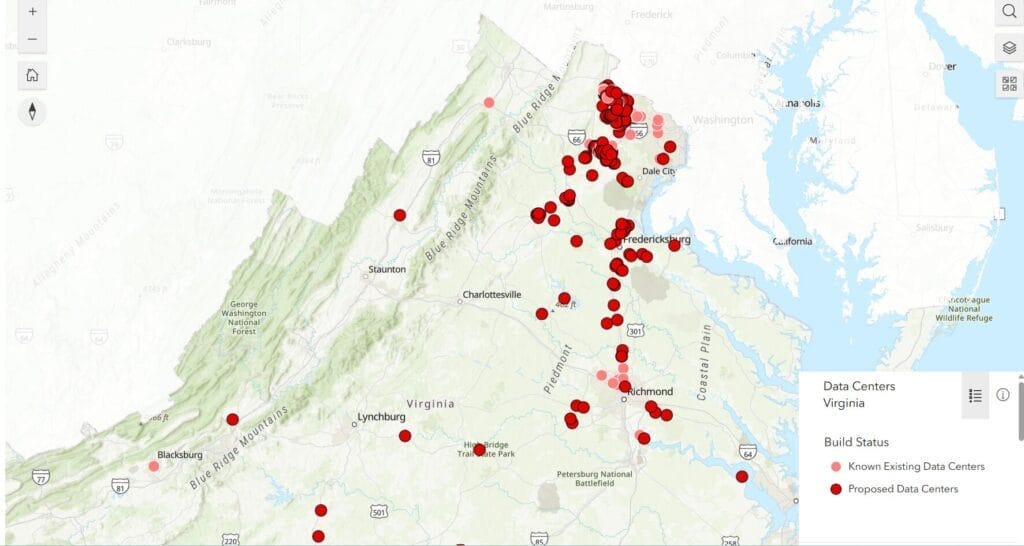
In the technology sector, artificial intelligence and data centres are attracting a great deal of attention. Giant data centres fuelled by AI can become ‘energy vampires’: for instance, the average data centre consumes as much water as a small town, whilst large facilities use up to 5 million gallons of water every day. Meanwhile, electricity consumption in large ‘hyperscale’ data centres is equivalent to that of 100,000–150,000 households, compared to 10,000–25,000 households. During the construction of server complexes, concrete and metal are laid on vacant land, removing it from agricultural use. In the state of Virginia (USA), already dubbed the ‘data centre capital of the world’, there are around 300 such facilities. Many states encourage their establishment (through tax breaks), hoping for profits, but local environmentalists criticise this policy as ‘extraction without accounting for the costs’. An irreversible side effect is the delay in capital investment in society’s actual infrastructure: that very land and energy are being used to support rapid content generation, rather than to address housing or environmental issues.
Is this late-stage capitalism / late capitalism?
Late-stage capitalism is a phase dominated by inequality, monopolies and crises. One of the most striking features in 2026 is inequality (the top 1% hold twice the wealth). Other features include stagnation and environmental crises. The Inner Moon, for example, suggests that late capitalism has already arrived in the US. Critics point out that key resources and capital are controlled by a small group of people and corporations, whilst inequality is rising. The dominance of tech and financial giants (Amazon, Google, etc.) reduces competition and economic opportunities for others. Everything, including identity and everyday life, is becoming a commodity. The economy is increasingly focused on investment and trade rather than production.
The existence of concepts such as ‘surveillance capitalism’, described in the book “The Age of Surveillance Capitalism: The Fight for a Human Future at the New Frontier of Power”, or ‘computational propaganda’, described in the academic paper “AI and Democratic Equality: How Surveillance Capitalism and Computational Propaganda Threaten”, are also signs that we are living in late-stage capitalism.
Has anyone managed to avoid such a fate?
The fortunes of the Nordic countries (Denmark, Norway, Sweden and Finland) differ significantly from those of many other capitalist economies precisely because of the Nordic model of socio-economic organisation.
In Sweden, the Gini coefficient for income was around 29.3 (2023), which is lower than, for example, in the US. In Denmark, the Gini coefficient has also long remained at a low level, one of the lowest in the world. The Nordic countries traditionally have some of the lowest levels of inequality in the world (with a Gini index of 0.25–0.28), which is much lower than in many Western countries.
This does not mean that inequality does not exist at all, but levels of inequality are significantly lower thanks to a well-developed progressive tax system, comprehensive social protection and widespread access to education and healthcare. In the Nordic countries, there is a high level of employment, and the social protection system encourages participation in the labour market (for example, benefits are often linked to employment), which supports the core principle of the Nordic model — a high proportion of people in work alongside broad social support. High levels of public trust in state institutions and social partners (trade unions, employers) are a key component of this model’s success. Trust in institutions and the system of social partnership (between employers, trade unions and the state) contributes to stable political and economic conditions.
One of the downsides of the Nordic model is often cited as demographic changes (an ageing population), which place pressure on the social security system. There are views that the model is difficult to transfer in its entirety to other contexts, particularly large or highly diverse societies. Some economists believe that part of these countries’ success can be explained by specific historical, cultural and demographic factors, rather than solely by welfare state policies.
However, this does not mean that there are no problems at all or that ‘all the negative trends of modern capitalism are avoided’—rather, the system of social protection and equality reduces and mitigates their impact on the majority of the population, but still faces challenges, including demographic changes and global economic pressures. Many experts note that this model is difficult to fully transfer to countries with different histories, structures and social expectations without significant adaptations. High social expenditure requires substantial taxation, which sometimes leads to an outflow of capital or entrepreneurs (as in the case of the wealth tax in Norway), although it turns out to be a fairly effective system. Another drawback is the high level of taxation required to fund a developed social sector. This works successfully where the tax burden is generally accepted and there is a high level of trust in the state. An ageing population places additional pressure on the pension and healthcare systems; this is not unique to Scandinavia, but it plays a role in the financial balance. Part of these countries’ success may be linked not only to welfare policies, but also to cultural, historical and social factors (such as levels of trust and social cohesion), which make it difficult to directly replicate this model in other countries.
In the Nordic model, social benefits and allowances are often linked to employment, which contributes to high labour force participation and low unemployment rates. This partly explains the successful integration of people into the labour market and helps to prevent prolonged periods of unemployment and social exclusion.
Northern European countries offer universal healthcare, free or subsidised education, well-developed unemployment support schemes, and affordable pensions and social security.
Key social functions include universal healthcare, free (or effectively free) education at all levels, support for families (parental leave, child benefits), and social support (unemployment benefits, pensions, housing schemes).
The Scandinavian model promotes labour market flexibility, ensuring both adaptability and social protection. High levels of trust in institutions and an open society contribute to a willingness to pay taxes for social programmes.
When discussing the general principles of labour law in Norway, the primary legislation is the Working Environment Act (Arbeidsmiljøloven). It governs employment contracts (written contracts are mandatory), working hours, holidays, days off, sick leave, pay, health and safety measures, and equal treatment. Every employee has a written contract setting out their terms of employment, salary and working hours. Salaries are usually paid once a month into a bank account; unlawful indirect or non-cash payments are considered ‘wage theft’.
In Norway, there is no statutory minimum wage applicable to all workers. However, collective agreements establish minimum rates for specific sectors (through the mechanism of ‘allmenngjøring’ – ‘general application’), which extend the pay conditions to all workers in that sector. Consequently, the minimum hourly rate, for example, in agriculture is 162.90 kroner, and the maximum in the electricity sector is 270.45 kroner. These rates apply only in those sectors where collective agreements have been declared generally applicable. In addition to the basic rate, there are additional supplements for overtime, night work and public holidays. In sectors without generally binding rates, wages are set in individual contracts.
The average monthly salary in Norway is approximately 52,000–60,000 NOK (gross), depending on the source and the year. According to various sources, monthly living costs excluding rent are approximately 13,500–15,000 NOK (~1,300–1,400 USD) for a single person. Total expenses including rent can be ≈20,000–40,000 NOK/month (depending on the city and standard of living). A recent survey also estimates ≈25,000–35,000 NOK for a comfortable life in Oslo. Rent in Oslo often accounts for the lion’s share of the budget (around 10,000–15,000 NOK per person).
Employees earning the average wage can usually cover their basic living expenses (housing, food, transport) and maintain a decent standard of living in Norway, provided they budget carefully. Minimum-wage workers in regulated sectors may face difficulties, particularly in expensive cities (Oslo, Bergen), where they have to contend with high rents, taxes and contributions, and costs for food and services, which are generally higher than in most European countries.
The system is based on collective bargaining between employers and trade unions, rather than on a universal state minimum. Employees are entitled to paid annual leave (25 working days per year) and paid sick leave (partly through the employer, then through the state). According to civil society organisations, some people struggle to cover unexpected expenses due to high prices.
Norway is among the countries with very low levels of perceived corruption, scoring ≈81 points on the Corruption Perceptions Index (CPI) (indicating an extremely low level of corruption), ranking 5th out of approximately 180 countries. This points to strong and transparent state institutions.
According to independent analysts, the state owns a large proportion of the national capital, including its share of the economy. This further diminishes the role of private ultra-wealthy individuals as key resource owners.
In the classical definition (according to Marxist theory), ‘true communism’ is characterised by the absence of private ownership of the means of production, the absence of classes, centralised or collective management of the economy, and distribution ‘according to need’. The Nordic model combines a free market with state intervention and a mixed-market capitalist economic system with high degrees of private ownership. The system allows businesses to operate through the market, and this is a way of managing capitalism, not replacing it. The state is large (30%+ of the workforce is employed in the public sector). The Scandinavian countries have significantly higher economic freedom indices than countries with elements of communist ideology (for example, Venezuela (Chavismo-Madurismo) or the former USSR (Bolshevism)). Therefore, it can be said that the Scandinavian countries, despite not espousing pro-communist sentiments, have in some respects come closest to ‘true communism’, even though the Scandinavian countries achieved a high standard of living precisely thanks to capitalism (Sweden’s rapid growth between 1870 and 1970 was among the highest in the world) and effective institutions.
We were warned
In the cartoon The Lorax, we were shown an ecological disaster due to greed and consumption, and the world was turned into an artificial environment, where nature is destroyed, air is sold. What do we see in the world now? Excessive consumption, corporate influence, degradation of nature. Deforestation, climate change, air pollution are confirmed by scientific reports (IPCC, UNEP). In some cities, the air is actually filtered or sold (niche, but it exists). Global deforestation (about 10 million hectares of forests per year), pollution, species loss, plastic pollution and climate change are real processes similar to the destruction of the Truffula forest. In the city of Thneedville (artificial trees, air sales) there are echoes of modern “green” technologies, urban design and the commercialization of ecology (carbon credits, bottled water/air in extreme cases). Consumption of unnecessary goods and corporate greed are relevant.
The game “I Have No Mouth, and I Must Scream” talked about the absolute power of AI and the total suffering of people, where a supercomputer controls everything after a war and tortures people forever. From what we had in the game, massive data collection, algorithmic control and the use of cyber security and military AI systems are already underway.
In the recent cartoon “Hoppers”, it was about the transfer of human consciousness into the robotic bodies of animals (such as a beaver) and the main character Mabel used it to save the natural environment from the construction of a freeway, which was being built by a suspiciously Trumpist American politician. What was described in the cartoon is also in life - mass urbanization, construction of infrastructure against green zones is a real problem. Deforestation, loss of biodiversity, destruction of green areas.
Werner Sombart introduced the concept of Spätkapitalismus (late capitalism) in the first third of the 20th century. He had signs of “late capitalism” in the form of concentration of economic power, strengthening of the role of large corporations, complication of financial structures, social tensions after wars and crises, transformation of culture and “spirit of capitalism”, which was supposed to disintegrate over time. The modern economy is characterized by a high concentration of dominance by transnational corporations and Big Tech markets (Google, Amazon, etc.). The globalization that Sombart warned about has become a trend in the form of global chains of production and transnational capital. Property inequality has increased, there has been a concentration of wealth in the “1%”.
The situation in Ukraine
Since the early 1990s, a system has emerged in Ukraine whereby a small group of influential individuals (oligarchs) controls a significant portion of the economy and politics. According to economists, the ‘Ukrainian model’ is characterised by a few elite clans monopolising key sectors – from energy to metallurgy and the media. In particular, as of early 2021, over a third (36%) of the country’s largest private enterprises belonged to representatives of oligarchic groups, particularly in the coal mining, metallurgy, electricity, petrochemical and other sectors. Through the vertical integration of mines, thermal power stations and the media, these groups have erected barriers to entry for new competitors and maintain super-profits for their own firms. The main mechanisms for building the oligarchy were attempts to establish control over state-owned enterprises, political influence and control of the media.
The oligarchs acquired assets through privatisation, access to budgetary resources and preferential treatment. A small group of individuals took control of large enterprises, concentrated financial resources and began to influence government decisions. The oligarchs financed political parties, exerted influence over parliament and the government, and were able to control ministries or governors. Politics and business effectively ceased to be separate spheres.
‘Clans’ (regional influence groups) began to form in Dnipropetrovsk, Donetsk and Kyiv (such as the ‘Kyiv Seven’). The largest business groups owned key media outlets and exploited them for political ends. The media became part of a triangle: business – politics – informational influence. Financial and industrial groups were created, enjoying tax breaks and customs privileges.
The second president, Leonid Kuchma (in office: 1994–2005, ‘For United Ukraine!’ party), ushered in a period of mass privatisation. State assets were transferred to selected clans (oligarchs such as Rinat Akhmetov (a member of the Russophile Party of Regions from 2006 to 2012, a People’s Deputy of Ukraine from 2006 to 2007, president of Football Club Shakhtar Donetsk, the ultimate beneficial owner (controller) of a Ukrainian telecommunications company operating in the integrated services market, the country’s largest fixed-line operator “Ukrtelecom JSC”, owner of Ukraine’s largest private investor in the energy sector “DTEK”, owner of the Ukrainian investment company “System Capital Management LLC”, owner of the charitable organisation “Rinat Akhmetov Foundation”, and owner of the media conglomerate “Media Group Ukraine”.), VictorPinchuk (founder of the investment and consulting firm EastOne (which includes “Fakty ta Komentari”, one of the largest socio-political newspapers of its time); the pipe and steel casting corporation “Interpipe PJSC”; and the cultural group “Viktor Pincuk Foundation”, which includes the PinchukArtCentre, an international centre for 21st-century contemporary art, the Zavtra.UA and WorldWideStudies scholarship programmes, as well as the private higher education institution Kyiv School of Economics), owner of the StarLightMedia media group, People’s Deputy of Ukraine from 1998 to 2006 for the pro-Russian “Labour Ukraine” party) and Ihot Kolomoyskyi (formerly the owner of the “Privat Group” group (which included “JSC PrivatBank”, Ukraine’s largest bank by assets and the leader of the country’s retail banking market), the “Naftokhimik Prykarpattya” oil refinery, and the oil production company “Public JSC Ukrnafta”; in 2014, following the Revolution of Dignity, he became head of the Dnipropetrovsk Oblast State Administration, thanks to his pro-Ukrainian stance, replacing the pro-Russian politician Dmytro Kolesnikov in this role; vice-president of the Ukrainian Football Association; publicly admitted to breaking the law by holding three citizenships (only one citizenship is permitted in Ukraine). Since 2021, he has been subject to US sanctions for significant corruption. According to the OCCRP, he is one of the world’s most corrupt individuals. In 2014, he sold fuel to the Ukrainian Armed Forces at inflated prices. In 2021, 1+1, a channel belonging to Kolomoyskyi’s media conglomerate “1+1 Media”, announced that it would disregard the language law; he is currently under arrest)). Kuchma acted as an ‘arbitrator’ between the groups. This laid the foundations for a clan-oligarchic system.
President Kuchma did not dismantle organised crime groups, but kept them in check (“divide and rule”); the oligarchs were, in effect, co-architects of the political regime. The “oligarchic privatisation” of the 1990s led to the concentration of assets in the hands of a small circle of individuals. Oligarchs monopolise industries, control entire production chains and block new entrants. Business influences politics through the funding of parties and ‘its own’ officials. Decisions are made not in the interests of society, but of specific groups. ‘Rule by the few’ (oligarchy) leads to the concentration of state resources in the hands of a narrow elite.
During Yushchenko’s presidency (2005–2010; party: ‘Our Ukraine – People’s Self-Defense’), he attempted to dismantle the oligarchic system, for example by re-privatising Kryvorizhstal and increasing wages and investment. In 2007, Viktor Yushchenko and his bloc, ‘Our Ukraine – People’s Self-Defense’, pledged to combat corruption, abolish parliamentary immunity and limit the influence of oligarchs on the government. Their pre-election rhetoric also explicitly stated their unwillingness to align themselves with the oligarchs. Following Yushchenko’s inauguration on 23 January 2005, Yulia Tymoshenko’s government (she served as Prime Minister from February to September 2005) initiated a process of reprivatisation (a review of privatisation agreements from the Kuchma era). The government planned to nationalise these assets and subsequently resell them through a transparent tender process. Yushchenko later described the mass reprivatisation as a mistake, as it had caused ‘enormous discord in business circles’ and undermined investor confidence. According to Taras Kuzio, a research fellow at the Centre for Transatlantic Relations (CTR) of the School of Advanced International Studies (SAIS) at Johns Hopkins University, funding for ‘Our Ukraine’ and the Our Ukraine – People’s Self-Defense coalition came in part from business structures linked, for example, to Ihor Kolomoyskyi. However, in 2008, still during Yushchenko’s presidency, the top 50 oligarchs controlled around 85% of Ukraine’s GDP.
During the rule of the Russophile President Yanukovych (2010-2014; of the Party of Regions), power became concentrated within the ‘Yanukovych family’, the economy was controlled by a small circle of people, and businesses were bought up at below-market prices. The Party of Regions was formed as an alliance of Donetsk business groups (primarily in heavy industry) and the post-Soviet political elite. According to Vadym Karasyov, Director of the Institute for Global Strategies and one of the leaders of the ‘United Centre’ party, its membership was determined by ‘influential Donetsk oligarchs… backed by capital, factories and steamships’. Before coming to power, Yanukovych expanded his circle of financial donors, and in 2010 competition began between oligarchs within the party system. After coming to power, Yanukovych sought to remove independent big businessmen from politics and replace them with loyalists. Under Yanukovych, the economy was characterised by the preservation of monopolies, weak competition and the stalling of reforms. The result was economic inefficiency and barriers to entry.
During Viktor Yanukovych’s presidency and the Party of Regions’ dominance in the Ukrainian government, the influence of oligarchic groups—particularly those from the Donetsk oblast —increased significantly. This marked the peak of the concentration of economic and political power in the hands of a small circle of business elites linked to the ruling party. Around two-thirds of government posts and 90% of oblast administration heads were held by representatives of the Party of Regions. During Yanukovych’s time, Rinat Akhmetov significantly increased his assets, notably through privatisation deals (for example, Ukrtelecom and energy companies). His influence on the Party of Regions was decisive. Together with Serhiy Lyovochkin (Head of the Presidential Administration), Dmytro Firtash (co-owner of Nadra Bank; co-owner of the Inter TV channel from 2006 to 2021; Chairman of the Board of Directors of Group DF; at one time an middleman for the Russian oligarchic organisation ‘Gazprom’, President of the Federation of Employers of Ukraine, Chairman of the National Tripartite Social and Economic Council (NTSEC), Co-Chairman of the Domestic and Foreign Investors Advisory Council, member of the Committee for Economic Reforms under the President of Ukraine; the United States Justice Department has characterized Firtash as an "upper-echelon associate of Russian organized crime.") formed a powerful group. Firtash exerted influence over part of the Party of Regions faction and the media (the ‘Inter’ channel, which traditionally belonged to pro-Russian parties, including the Party of Regions). The oligarchs Vadym Novynskyi and Serhiy Tihipko were also members of the Party of Regions. The oligarchs controlled a significant portion of the Party of Regions’ parliamentary group (estimated at around 80 MPs).
The next president, Petro Poroshenko (of the ‘Petro Poroshenko Bloc’ party), was himself a major businessman and billionaire, and owned significant assets (including Roshen, a monopoly in the confectionery sector, and media outlets such as 5 Kanal and Priamyi, amongst others). Despite taking over a country at war, he, for instance, continued to trade coal with the occupying regime, including through Viktor Medvedchuk, who was at the time a Russophile politician (and is now a collaborator).
Poroshenko did not sell his business immediately after his election, despite promising to do so. Following the leak of the Panama Papers, it emerged that after being elected president in 2014, Poroshenko set up an offshore company, Prime Asset Partners Ltd., in the British Virgin Islands; this entity was intended to be used to restructure his business (including Roshen), and he remained the owner of the company until at least the end of 2015. The registration took place at the height of the Battle of Ilovaisk, and Poroshenko’s lawyers used intermediaries in Cyprus and the Netherlands; later, references emerged to several other associated companies. Poroshenko spoke of this as an offshore entity created to transfer the business into a ‘blind trust’ and as preparation for the sale of assets. However, documents showed that control remained via the offshore entity, rather than a fully independent trust. The offshore entity was used as a holding structure. Journalistic investigations pointed to possible tax optimisation and references to the phrase ‘tax purposes’ in correspondence between lawyers.
Experts at Vox Ukraine regarded this as a ‘tax manoeuvre’ that created opportunities for tax optimisation (although there is no direct evidence of tax evasion). The BBC found no proven evidence of criminal tax evasion or money laundering specifically through these structures. According to the BBC, this remained primarily a matter of conflicts of interest and broken promises.
During Poroshenko’s presidency, oligarchic influence in Ukrainian politics and the economy persisted, albeit in a modified form compared to previous periods. According to oligarch Dmytro Firtash and other sources, Poroshenko became a candidate thanks to a tacit agreement (‘the Vienna Consensus’) with influential businessmen, notably Firtash and Serhiy Lyovochkin. They backed him over Vitalii Klychko, securing his victory in the first round. This illustrates the persistence of oligarchic influence over the choice of government. The government did not carry out radical de-oligarchisation. Oligarchs continued to control significant sectors of the economy (metallurgy, energy, media) and to influence parliament through parliamentary groups and lobbying. The ‘Petro Poroshenko Bloc’ in the Verkhovna Rada (particularly after the 2014 elections) formed coalitions where business interests were intertwined with politics. The level of corruption has fallen compared to the pre-revolutionary period, but the oligarchic model (concentration of assets and political influence) has persisted. Analysts at VoxUkraine note that the oligarchy has become ‘less predatory’ than before 2014, thanks to reforms (decentralisation, anti-corruption bodies), but has not been dismantled. Poroshenko publicly declared a fight against the oligarchs, yet he himself remained one of the wealthiest Ukrainians (his fortune was estimated at hundreds of millions — over a billion US dollars depending on the period).
After 2014, following the Revolution of Dignity and the Russian invasion of south-eastern Ukraine, approximately 14% of small businesses temporarily ceased operations, whilst regional inequality only grew.
An extremely high concentration of wealth also leads to political influence. In 2021, according to the four criteria of Ukraine’s ‘anti-oligarch’ law, over 100 individuals had assets exceeding $83 million and exerted influence over politics or the media. Volodymyr Zelenskyy (Servant of the People party), for example, signed the law “on preventing threats to national security arising from excessive influence” in November 2021 – the first official step towards “de-oligarchisation”. The law defines four characteristics of an oligarch (involvement in politics, control of the media, a monopoly position, and assets worth at least 1 million minimum wages) and introduces restrictions on party funding or private dealings with officials. However, analysts at the Carnegie Russia Eurasia Centre note that it does not break up monopolies or return illegally appropriated property, and its implementation depends on political will.
Following the start of the full-scale invasion, with Zelenskyy’s assistance, the channels belonging to oligarch Akhmetov’s ‘Media Group Ukraine’ were shut down. Rinat Akhmetov himself announced his withdrawal from the media business, and his holding company transferred the TV channel licences to the state and closed down its assets, citing as the reason the new law on oligarchs and the impossibility of selling the media outlets at short notice and under wartime conditions. On 21 July 2022, the National Council on Television and Radio Broadcasting revoked the licences of the group’s television channels (including its flagship channels ‘Ukraine’ and ‘Ukraine 24’). The licences ceased to be valid from 22 July 2022. The channels withdrew from the nationwide television marathon ‘United News’. Following the closure, some members of the former team launched new projects (for example, the channel ‘My — Ukraiina’). As of 2024, Akhmetov had completely withdrawn from the media business.
On 2 September 2023, Ihor Kolomoyskyi was charged by the SBU under articles relating to fraud and money laundering; he was immediately remanded in custody with bail set at approximately 509 million UAH. Subsequently, charges were brought against him for embezzling 9.2 billion UAH from PrivatBank and a further 5.8 billion UAH. In 2024, he was charged with organising a contract killing. As of 2026, Kolomoyskyi remains in custody, with the court having extended his detention. The investigation believes that he laundered and legalised funds (≈500 million UAH), organised schemes involving PrivatBank, and may have set up an organised group for financial fraud. According to Zelenskyy, “there will be no more ‘business as usual’”.
The dominance of large conglomerates and weak state oversight have a negative impact on labour rights. The US State Department’s 2020 report noted systematic violations of labour laws in Ukraine: ranging from the suppression of trade unions to the late payment of wages. According to the Confederation of Free Trade Unions, legislative safeguards for workers are insufficient, and employers’ liability for violations is too low to deter abuse. For example, collective agreements are often simply ignored, as fines for employers are lower than the benefits gained from violations. Independent trade unionists report increasing pressure and violence against activists – in 2020, there were reports of beatings and intimidation of trade union members, and law enforcement agencies often failed to respond to such incidents.
It is widely believed that the so-called ‘official’ trade unions (such as the Federation of Trade Unions of Ukraine (FPU (Federatsiya Profspilok Ukrayiny))) in Ukraine are often a ‘relic of the Soviet system’ and do not always meet the real needs of workers: they have been accused of undermining the effective protection of socio-economic rights and of ‘pretending’ to be active, whilst their actual work with the workforce is weak. Some independent trade unions have accused the FPU of ‘squandering’ and misappropriating property (health resorts, buildings), which undermines trust in it. In 2011, dozens of criminal cases were opened against the FPU for alleged mismanagement of sanatoriums and other assets — this fuels the perception of corruption and inefficiency. Current labour law reforms, and the fact that state bodies are attempting to create alternative mechanisms for trade union participation (for example, the new ‘council of trade union leaders’, bypassing the FPU) — indicate that the authorities may not believe the FPU is capable of effectively representing workers’ interests. You can read more about this in the work “ТРАНСФОРМАЦІЯ ТРУДОВИХ ВІДНОСИН ТА ПРОФСПІЛКОВОГО РУХУ У ПОСТКОМУНІСТИЧНИХ КРАЇНАХ”, in the article “Сімнадцять мільярдів, які нам не належать”, in the article “Громадські ради просять Зеленського заборонити Федерації профспілок за безцінь продавати держмайно”, in the article “ФПУ спростовує звинувачення у розкраданні профспілкових оздоровниць”, in the article “Revealed: Ukraine’s secret attempt to bypass top trade union bodies” and in the article “EXPROPRIATION OF TRADE UNION PROPERTY...”.
Trade unions are legally entitled to represent workers’ interests, conduct collective bargaining, and so on (this is generally guaranteed by the Constitution and legislation of Ukraine). Trade unions criticise by Education International and the European Trade Union Committee for Education (ETUCE) for weak social dialogue, limited mechanisms of influence and difficulties with collective agreements in the majority of sectors (some legislation is being reformed, and trade unions in Ukraine have even expressed concern about new regulations that could weaken their powers) . Under the pressure of the war and the destruction of economic infrastructure, the trade unions’ ability to mobilise mass action has been limited (the International Labour Organisation has noted the challenges in resuming activities).
Following the outbreak of full-scale war, workers faced additional challenges. The relaxation of labour regulations between December 2021 and March 2022 allowed businesses to significantly expand their scope for dismissals and to withhold full pay. In particular, the legislation allowed the working week to be extended to 60 hours, employment contracts to be automatically suspended without pay, and even the introduction of a ‘one-hour working day’ with a proportional reduction in wages. These government measures were intended to provide flexibility to the economy, but at the same time they largely protect only the interests of employers, businesspeople and the wealthy. During the war, workers in the healthcare and service sectors found themselves forced to work in critical conditions, often for the minimum wage (around $130–150 in 2022–2023), without adequate social support.
Consequently, due to pressure from large employers and a lack of strict oversight, workers have little opportunity to ensure their rights are upheld. There have been repeated reports of informal employment, non-payment of sick pay or holiday pay, and intimidation of activists. Conclusions by international experts (the US State Department and the Ukraine Solidarity Campaign) indicate that, in order to build a stronger economy, Ukraine needs precisely stronger labour rights and mechanisms to regulate big business, which could counterbalance the influence of oligarchs.
The monopoly position of leading companies is a clear consequence of the oligarchic model. According to European analysts, concentration in strategic sectors – such as cement or tobacco – has led to a sharp rise in prices and a restriction of competition. For instance, a single multinational corporation controls around 46% of the cement market, whilst two companies together hold over 90% of the Ukrainian building materials market. Under such conditions, small producers are effectively being squeezed out: barriers to entry are rising, there is no effective response from the Antimonopoly Committee, and construction projects cost more than they need to.
In many sectors, the owners of ‘holding companies’ effectively dictate the rules. In the energy sector, for example, Rinat Akhmetov’s conglomerate (DTEK) encompasses mines, power stations and distribution networks, forming a vertically integrated system with high barriers to entry for independent players. The situation is similar in the processing of raw materials and the sale of fuel. As a result, prices for utilities and industrial services remain consistently high, and the authorities are unable to promptly compel monopolists to ease conditions for consumers or small businesses. The lack of competition hinders the development of small and medium-sized enterprises, which cannot withstand the pressure and are unable to compete with the resources of big capital.
It’s not just DTEK – one of the most important forms of public transport in Ukraine, the minibus service, is usually run by private companies, which allows them to set fares as they see fit; consequently, fares on most minibuses have recently been increased from 15 to 20 hryvnias.
A high-profile incident involving Oleh Horokhovskyi, co-founder of Monobank, came to light. In March 2026, he posted a photo of a female customer online, claiming that a ‘Russian flag’ could be seen behind her. The woman soon refuted these allegations, explaining that it was in fact a Slovenian flag behind her. This incident drew attention to breaches of banking secrecy and personal rights. Monobank is a private entity, but given the influence of its owners (high-profile tech entrepreneurs), the situation was seen as an illustration of how the wealthy can use their resources and public media to humiliate ordinary citizens. Horokhovskyi’s lawyer, Denys Shkarovskyi, a partner at VB Partners who represents Universal Bank (which cooperates with Monobank), claimed that according to an expert analysis, the flag was in fact Russian.
Statements from those in power are also linked to these widespread means of influence: at times, this gives the impression of double standards. For example, there are numerous public calls to ‘send the oligarchs’ children to fight’. Part of society believes that justice is impossible as long as the sons of oligarchs go unpunished and decisions are overwhelmingly made in favour of the wealthiest. Inequality also exists due to exemptions for essential workers and corruption.
The need to maintain enough troops to fight on the frontline in Ukraine to prevent Russia from advancing and jeopardizing Ukrainian sovereignty while adhering to democratic principles and human rights to resist the Russian image of authoritarianism created a difficult policy balance that resulted in the strong internal politicization and controversy. Typically, the reluctance to fight stems from incompetent leadership (as discussed in the study “Ukraine’s Wartime Democrats Battle Conscription Crisis” and the article “Мобілізація: що відлякує і що мотивує. Опитування Info Sapiens на замовлення Texty.org.ua”).
On 25 February 2026, the Office of the Prosecutor General, in conjunction with the State Bureau of Investigation (SBI) and the Security Service of Ukraine (SBU), announced a new wave of investigations into schemes used by conscripts to illegally evade mobilisation. For example, a family doctor was arrested for issuing a fictitious Group 3 disability certificate to a healthy patient for $6,000 to enable them to travel abroad; a Territorial Center of Recruitment and Social Support officer was arrested for promising ‘limited fitness’ status and a fictitious summons for $6,000, and a deferment for $20,000. According to journalistic investigations, bribery schemes such as ‘selling conscription notices’, ‘updating data for money’ and ‘connections-based service’ have come to light. Within the Ukrainian Ministry of Defence system, according to their own data, dozens or hundreds of complaints regarding corruption are being investigated. According to the Ukrainian Ombudsman, there were 5,000 complaints over 10 months regarding rights violations during mobilisation. According to the Land Forces report, only 9% of 218 cases were confirmed, whilst 91% turned out to be hoaxes or fabrications. And this is understandable, as Russian propaganda plays a huge role in stirring up internal problems in Ukraine. It has been confirmed that there are schemes for evading service through bribes and illegal exit for money.
In 2023, the State Bureau of Investigation reported the suspicion of illegal enrichment of UAH 188 million to Yevhen Borysov, a member of the Odesa Territorial Center of Recruitment and Social Support, real estate in Spain and luxury cars were found. This became the basis for large-scale inspections of all Territorial Centers of Recruitment and Social Support. In 2026, an officer of the Territorial Center of Recruitment and Social Support was detained in the Kyiv oblast for receiving a $4,000 bribe for “help” in avoiding mobilization.
Complaints about the conditions of detention at the Territorial Center of Recruitment and Social Support and collection points are regular: overcrowding, unsanitary conditions, lack of normal food/medical assistance, detention without legal grounds.
Another manifestation of social inequality is the sense of impunity enjoyed by certain sections of the business community and the criminal underworld. Ukrainians have noted instances where individuals accused of serious crimes are found to be abroad under the pretext of a ‘business trip’ or as relatives of officials, whilst ordinary citizens face the reality of sanctions and travel bans. Such stories fuel mistrust of the law enforcement system and the authorities in general.
In Ukraine, the Gini coefficient (this is a standard indicator of income inequality (0 = absolute equality, 1 or 100 = absolute inequality)) was 25.6 in 2020 (according to World Bank, FRED, CEIC estimates). This is below the EU average (~30) and indicates a relatively equal income distribution compared to many countries. After 2022, there was a sharp increase due to uneven income losses (greater among the lower strata), falling real pensions and labor income. Therefore, in 2025, the Gini coefficient fell to approximately 0.50%. This indicates a significant deterioration.
Statistics show that incomes have been rising, but this has not always reduced poverty, as rising income inequality can cancel out the effects of rising incomes. Research shows significant regional disparities in Ukraine: different regions have different levels of production, income, employment, investment, and government spending. Part of government spending is concentrated in large cities (for example, Kyiv), which deepens inequality with peripheral regions. Military aggression and other challenges have exacerbated inequalities in access to education, health care and social services, according to studies. Parts of the economy (such as the technology and financial sectors) have higher returns than agriculture or traditional industries. Although direct statistical data on Ukraine in publicly available sources are limited, sociological research generally highlights inequality by educational level and age in access to prestigious jobs and income, and inequality in social status and opportunities for social mobility.
Ukraine retains the characteristics of a ‘hybrid dictatorship of the rich’, where big capital plays a decisive role. Oligarchs control key sectors of the economy and have direct access to political decision-making. Despite the actions of individual government programmes (for example, the 2021 ‘anti-oligarch’ law), real change requires stronger regulation and oversight.
Ihor Smilianskyi (head of Ukrposhta, in February 2026) described people working for the minimum wage as “crazy” (claiming that “there are millions of job vacancies in the country”). His salary is over 11 million hryvnias a year. The scandal erupted against the backdrop of Ukrposhta’s critical financial situation.
The adoption of the budget for 2026 by the Verkhovna Rada of Ukraine also raised many questions. The minimum wage of Ukrainians increased by only UAH 647, but payments to People’s Deputy were increased by UAH 120,000, from which each people’s deputy will now have UAH 200,000 per month for work with voters, reception room maintenance, and more. In the same budget, not even a minimal increase in monetary support for the military was provided. The head of the parliamentary budget committee, Roksolana Pidlasa, justified this by the lack of money.
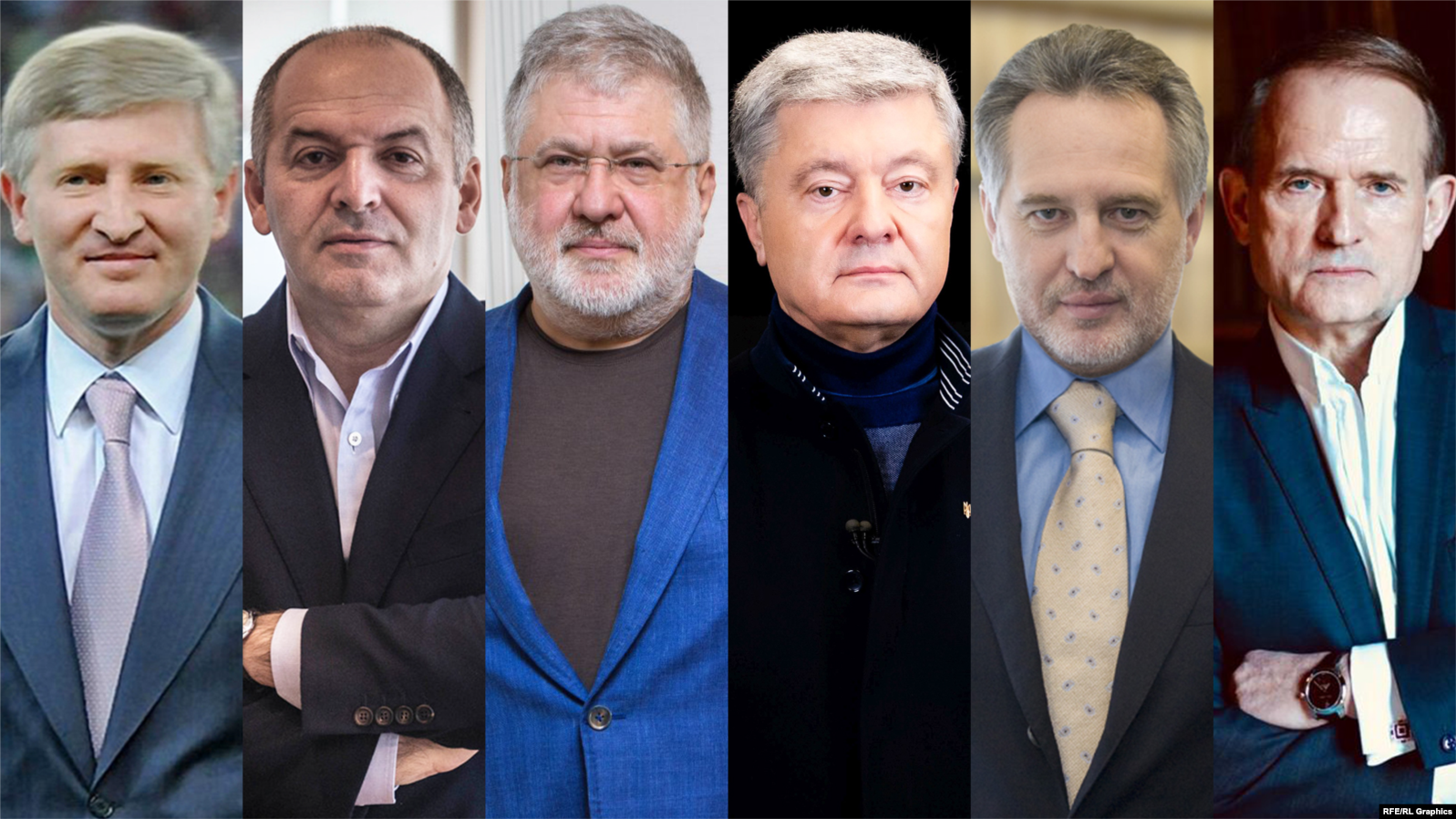
Conclusions
There is clear evidence of wealth concentration, systemic channels of influence (finance, media, property), as well as institutional mechanisms that enable wealthy actors to influence politics and the economy. This fits the definition of ‘hybrid’ power — a combination of formal democracy with indirect control by the elite.
Billionaires are buying elections (for example, according to some estimates, billionaires have donated more than $5 billion since 2015). In global politics, the PRC and Trumpist USA wield economic power, despite the fact that the PRC presents itself as an ‘anti-capitalist’ and ‘anti-oligarchic’ force. They (the Trumpist US, the PRC and Ruscist Russia) do indeed criticise Western capitalism, yet they themselves maintain close ties with the plutocracy at home: wealthy donors exert influence in both spheres, as noted, for example, by both Oxfam and the Lincoln Institute of Land Policy. Billionaires influence key international organisations such as the UN and the G20 through ‘contributions’. The wealth of billionaires is set to rise to $18.3 trillion by 2025. Inequality clearly threatens democracy.
The wealthy exert a disproportionately large influence on political decisions (through campaign financing, lobbying and control of the media), as discussed in the book “Testing Theories of American Politics: Elites, Interest Groups, and Average Citizens” and the article “Boom time for US billionaires: why the system perpetuates wealth inequality”. The global enrichment of the elite is proceeding at a rapid pace – in 2024 alone, $2 trillion was added to the capital of the world’s billionaires, whilst the welfare of the general public remained virtually unchanged. Wealthy circles support policies and laws that benefit themselves, while rejecting many public services or fair taxation, as discussed in the book “The Science of Power: Billionaires, Elites, and Social Mobility” and the article “How are billionaire and corporate power intensifying global inequality?”. Finally, rights violations go unpunished – courts more often punish the poor, whilst the rich rarely face consequences for their questionable actions.
The concentration of capital in the hands of a small number of individuals and large corporations undermines economic equality: the wealthy are increasingly dictating tax, labour and regulatory policies, turning their capital into political influence. You can read more about this in the article “Does wealth inequality matter for growth? The effect of billionaire wealth, income distribution, and poverty” and in the article “Billionaire wealth jumps three times faster in 2025 to highest peak ever, sparking dangerous political inequality”. Secondly, the power of media and platform owners reduces the space for alternative views: private companies modify algorithms ‘in their own interests’, which has the potential to influence public sentiment. However, it should be noted that the real-life utopias of oligarchic rule are far from guaranteed – international institutions and democratic mechanisms still maintain at least minimal control (for example, constant public resistance to tyranny: protests, human rights initiatives, etc.). Furthermore, some authoritarian governments (the US under Trump, Russia or PRC) do indeed criticise Western capitalism, yet they themselves maintain close ties with the plutocracy within their own countries: wealthy donors exert influence there, as noted by Oxfam, the paper “Data Drain: The Land and Water Impacts of the AI Boom”, the paper “The Nexus of Money and Political Legitimacy: A Comparative Analysis of Democracies and Non-Democracies”, the article “How billionaires took over American politics”, the article “Trump’s ‘pay-to-play’ politics fuel a ‘new gilded age’, experts say”, the article “Trump donors eye potential bonanza if US succeeds with Greenland land-grab”, the paper “Trump 2.0 and the New American Oligarchy”, the article “How Putin’s Oligarchs Got Inside the Trump Team”, and the paper “Complex Systems of Secrecy: The Offshore Networks of Oligarchs”.
The combination of these factors creates a systemic advantage for capital over labour and democracy, as discussed by Springer in the paper “Public Capital and the Labour Income Share”. To put it bluntly, we all live in a world governed by the motto ‘the richer you are, the more you win’: economic decisions are geared towards enriching those who are already wealthy, rather than ensuring equal opportunities for all, as discussed in the papers ‘Is Economic Inequality Really a Problem? A Review of the Arguments’ and ‘Does economic inequality undermine political equality? Testing two common assumptions’. Without reforms (in particular progressive taxation, greater trade union freedom and social security guarantees), this trend threatens to deepen social inequality and political polarisation, as noted by the European Commission and the Cato Institute.
The modern hybrid dictatorship of the wealthy is not a metaphor, but a real, structurally established regime of global governance. It is based on three pillars: an unprecedented concentration of capital, technological control over life and labour (techn feudalism), and the systemic impunity of the elites, which is bought through philanthropy and political influence.
The consequences of this dictatorship are catastrophic for humanity. The Gen Z generation is the first in decades to have fewer chances of success than their parents or older relatives, finding themselves trapped in low-paid work, a housing crisis and shattered social security, as reported by the World Economic Forum and the report “New research finds Gen Z’s average job stint is 1.1 years - but it’s not…”. The spread of misogyny, racism and hatred through media and the porn industry controlled by billionaires serves as a tool for dividing society, making collective resistance impossible.
The world is indeed sliding into an abyss where the principle of ‘the richest wins’ reigns supreme. This is not merely an economic crisis, but a challenge to civilisation that demands an immediate and radical response: from the introduction of global wealth taxes to the restoration of the real power of trade unions and democratic control over technology. Without these steps, a hybrid dictatorship will ultimately transform the planet into a collection of digital fiefdoms, where human dignity will be sacrificed once and for all to the maximisation of oligarchic rent. We have been warned of this by Oxfam, Oxfam Canada and The Beautiful Truth.
What can be done?
If we set aside the obvious solution of a revolution – ‘dragging the rich out on pitchforks’ – which might actually help, there are other ways to ‘break down’ the hybrid dictatorship of the rich, such as putting pressure on the authorities in your countries, in order to:
Increasing transparency in government and public finances. It is necessary to limit the ‘feedback loops’ between major financial donors and politicians: introducing strict limits on donations, expanding public registers of lobbying contacts and media revenues will help to reduce the informal influence of oligarchs.
Strengthening labour rights. Updating labour legislation and reforming trade unions can restore the balance between capital and labour. For example, weak regulations must be replaced with effective sanctions for non-payment of wages and the imposition of unpaid overtime. Global experience shows that strong collective agreements lead to an increase in average wages and a reduction in inequality.
Regulating technology leaders. It is difficult to counter the monopolisation of digital markets, but international standards could be introduced for large data centres: restrictions on subsidies or special environmental taxes on energy consumption and water usage for large data centres would help offset the social costs. In addition, there is a need for personal data protection and transparency requirements for algorithms (to reduce indiscriminate content promotion).
Social programmes and housing. The state could partially reinstate previous social support measures: for example, preferential lending schemes or social housing for workers who are unable to save enough for a flat on their own. Housing subsidies and lending schemes will strengthen the middle class. Where necessary, it is worth exploring planned development practices (such as mixed-ownership schemes) to at least partially reduce the market’s impact on housing affordability.
Boycotts. A boycott is a form of economic pressure achieved through a refusal to consume. They can force companies to change their behaviour: after 2022, that is, following the start of the full-scale invasion of Ukraine by Russia and Belarus and the genocide of Ukrainians by Russians, hundreds of companies left the Russian Federation under pressure from society and reputational risks; research shows that ‘voluntary corporate sanctions’ reinforce state sanctions. In democratic countries, over 70% of people support boycotting companies over political issues. Boycotts work if they are widespread, long-lasting and well-organised.
Strikes. Strikes have a direct impact on the economy: whilst this may not be the best example, the strikes organised by Ukrainophobia and pro-Russian organisations on the Poland–Ukraine border, for instance, caused approximately €24.8 million in losses to businesses. Strikes are effective because they hit profits — the primary concern of businesses.
Protests. They do not always yield immediate results, but they shape the political agenda and force the authorities to respond (especially in democracies). Protests are a tool for exerting long-term pressure, rather than for achieving instant results.
Avoiding large corporations. Supporting small businesses can reduce market concentration, create local economic alternatives and boost competition. Although large companies are cheaper due to economies of scale, sectors such as energy, transport and IT are often controlled by major players, and even ‘small businesses’ can be dependent on large corporations. That is why we need to support small businesses – to ‘change the game’.
A move away from AI. AI infrastructure (data centres) does indeed consume a great deal of electricity and uses water for cooling, which is extremely harmful to our planet.


Comments
Post a Comment